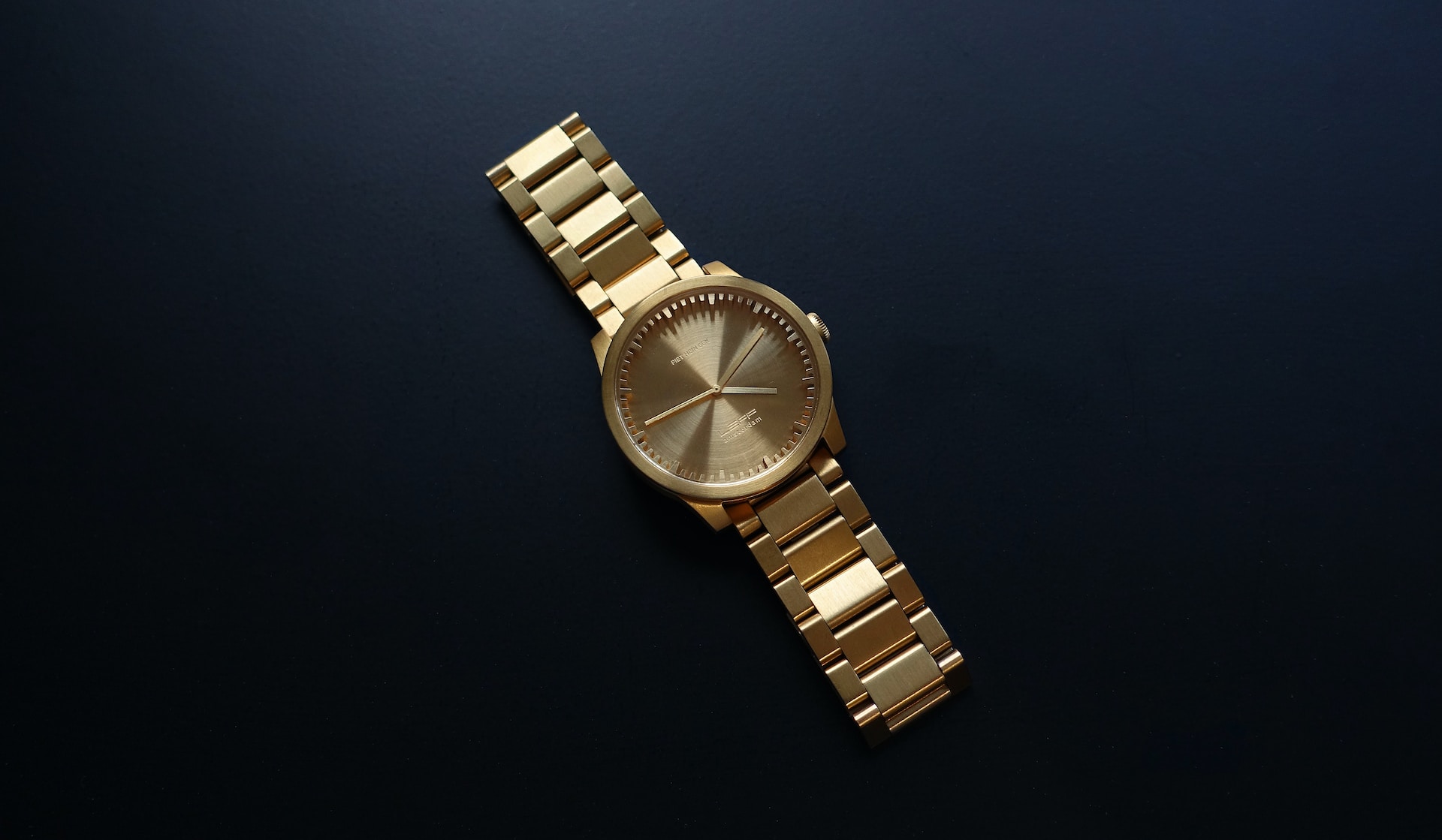
For hundreds of years, British watches have made a name for themselves, standing as a testament to meticulous craftsmanship, timeless design and uncompromising quality. Behind the intricate workings of British watches lies a rich tradition that incorporates the use of precious metals and gemstones, elevating these timepieces to the pinnacle of luxury.
In this blog, we’ll look at how the use of precious metals such as gold and platinum, coupled with the subtle embellishment of gemstones, are what set British watchmaking apart.
Gold British watches
With its timeless allure, gold has been a favourite among British watchmakers for centuries. Its warm, rich tones add a regal feel, turning it into a symbol of luxury and prestige.
Whether it’s the watch case, bracelet or even the hands and hour markers, gold’s versatility allows it to be seamlessly integrated into every aspect of the timepiece. British watchmaking has mastered the art of balancing opulence with subtlety, ensuring that gold becomes an integral part of the design without complicating the overall aesthetic.
Yellow gold is the traditional colour for gold jewellery and remains timeless. More recently white gold and rose gold has increased in popularity. White gold is seen as more contemporary. With its warm copper hues, rose gold is fashionable and likely to be a trend that will remain for some time.
Platinum British watches
Platinum has a more contemporary elegance. Known for its rarity and resistance to tarnish, platinum has become the hallmark of modern luxury in British watchmaking.
The cool silvery hue of platinum provides a sophisticated backdrop for intricate detailing, making it the preferred choice for watch enthusiasts who appreciate the fusion of tradition and innovation.
Platinum is a good choice for those looking for a hypoallergenic watch as it does not contain any nickel. It’s also strong and a lightweight metal, meaning it’s good for those people who are physically active. Platinum watches are often plated with rhodium to improve their durability.
Gemstones in British Watchmaking
Gemstones, with their inherent beauty and symbolism, further elevate the standard of British watches. From the subtle sparkle of diamonds to the vibrant hues of sapphires or rubies, each gemstone is carefully selected and placed, adding a touch of individuality to every timepiece. See our gemstone trends 2023 guide for popular gems.
British watchmakers understand that the brilliance of gemstones is not just about the visual appeal, but also about creating a narrative that the wearer carries with them. For example, you could choose gemstones which reflect the birthstone of the recipient.
Crafting British watches is a labour of love, where technical precision is fused with artistic expression. The meticulous detailing involved in setting gemstones or crafting the precious metal case requires a level of skill and dedication that has been passed down through generations.
Each timepiece is a testament to the unwavering commitment of British watchmakers to produce not just timepieces, but heirlooms that transcend time.
To discover more about precious metals and gemstones in British watchmaking, visit your local jeweller in Hainault
The role of precious metals and gemstones in British watchmaking goes beyond mere embellishment. It reflects a rich heritage, a commitment to quality and an understanding that a watch is more than just a way to measure time. It is an expression of individuality and celebration of craftsmanship.
Find out more about precious metals and gemstones in British watches by popping into E.K. Jewellers, Hainault. Our family business can give you friendly and professional advice.
